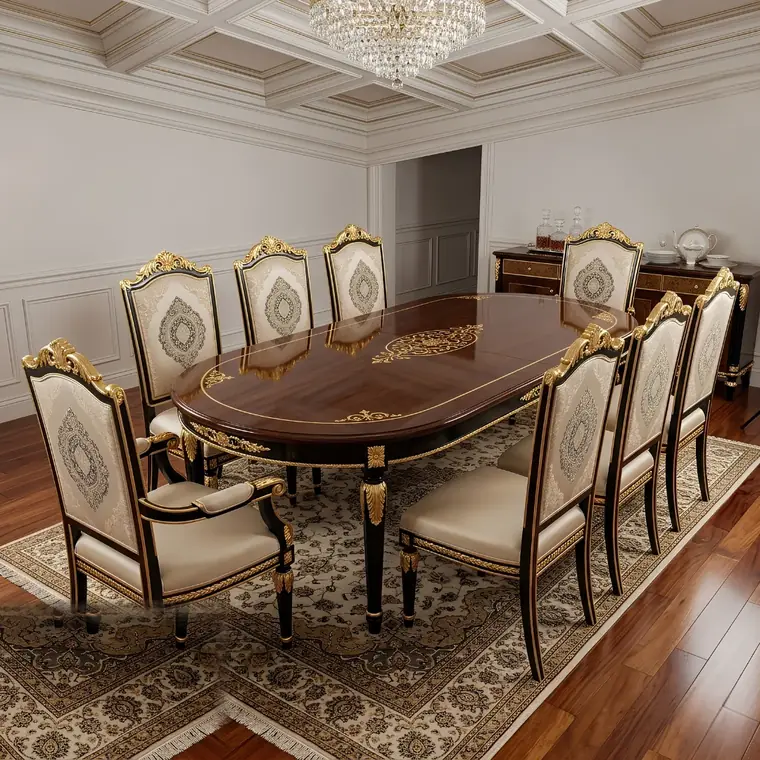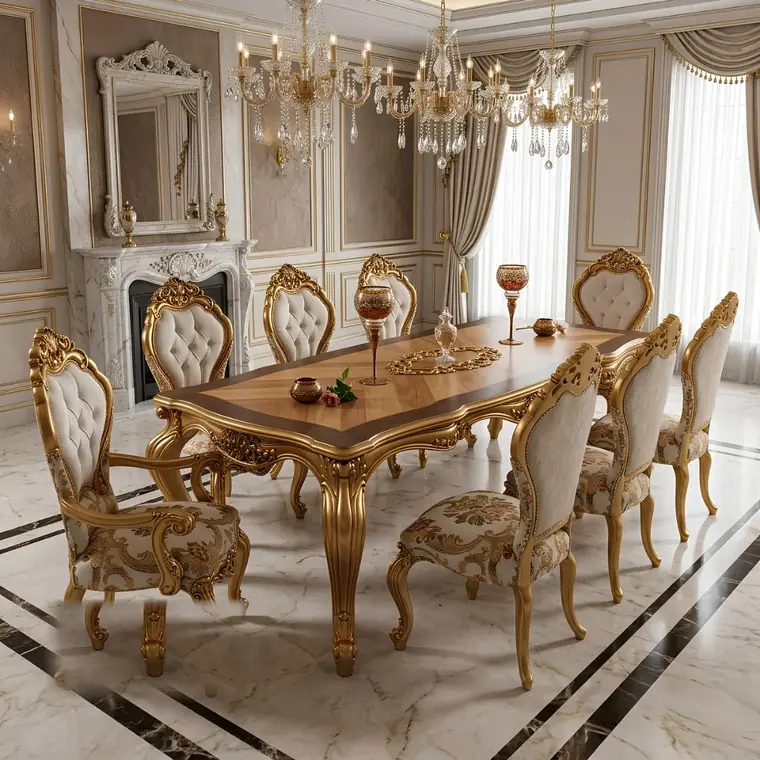
Walk into any furniture market and you will see two beds that look almost identical, yet one costs double the other. The difference is usually hidden inside: solid wood or engineered wood. Both have their place, but you should always know which one you are buying.
What is solid Sheesham?
Sheesham (also called Indian rosewood or Tahli) is a dense hardwood that has been used in subcontinental furniture for centuries. It has a beautiful natural grain, takes carving and polish very well, and becomes stronger as it ages. Properly seasoned Sheesham furniture can easily last 25 years or more.
What is engineered wood?
Engineered wood includes MDF, particle board and plywood. These are made by pressing wood fibres or layers together with resin. They are lighter, cheaper and give a perfectly smooth surface, which is why they are common in modern wardrobes and flat-pack furniture.
Quick comparison
- Strength: Sheesham handles heavy loads and daily use; MDF can sag over long spans.
- Moisture: Sheesham tolerates humidity well when polished; MDF swells if water gets in.
- Repair: Solid wood can be sanded and re-polished many times; engineered boards usually cannot.
- Price: Engineered wood is cheaper today; solid wood is cheaper over its lifetime.
How to check what you are buying
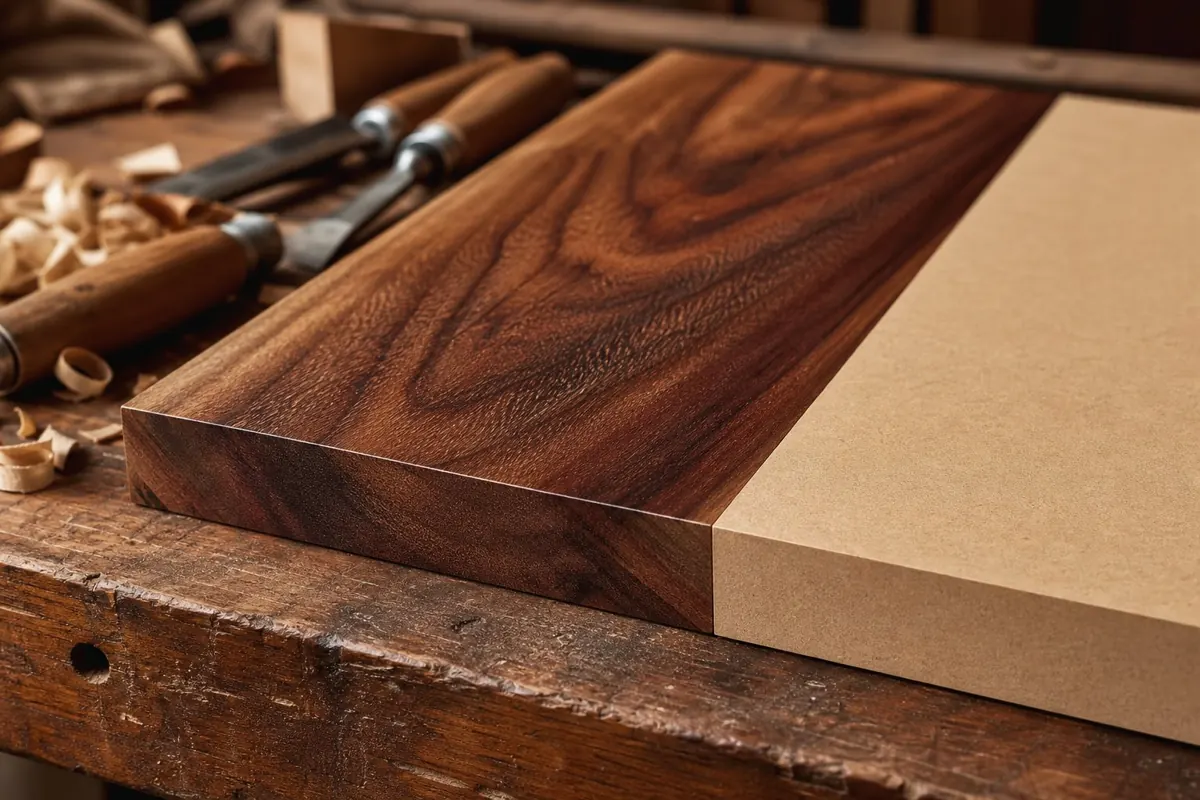
Look at the edges and the underside. Solid wood shows the same grain on the edge as on the top, while engineered boards show layers or a uniform brown core. Solid furniture also feels noticeably heavier. Finally, ask for it in writing: a good maker will clearly mention the wood type on the invoice and offer a structural warranty.
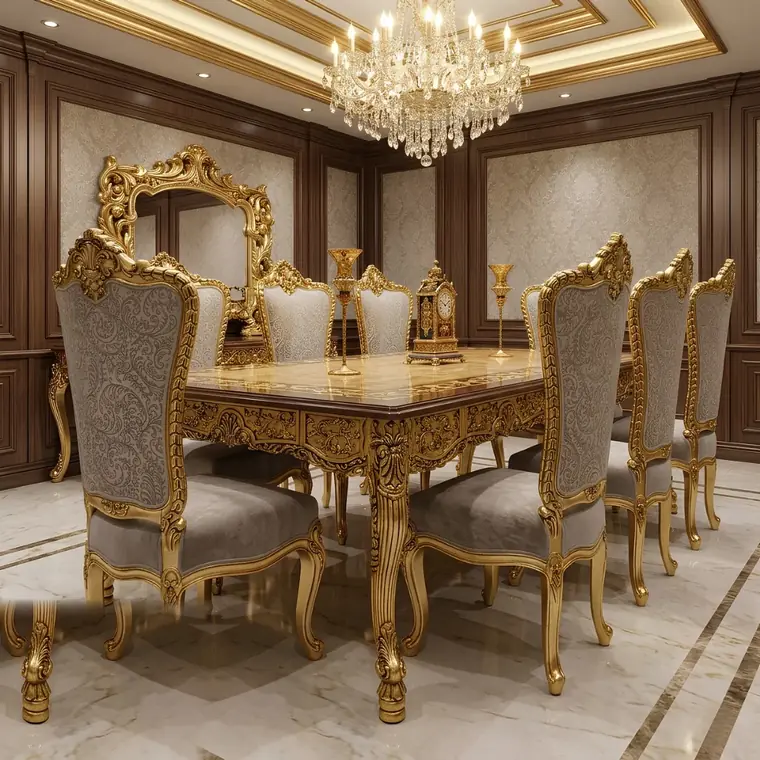
At M Tufail Furniture, beds, sofa frames and dining sets are made in seasoned solid Sheesham and backed by our 10-year structural warranty.
Engineered wood is perfectly fine for budget wardrobes or a temporary setup. For pieces that carry weight every day, such as beds, dining tables and sofa frames, solid wood is the smarter investment.